

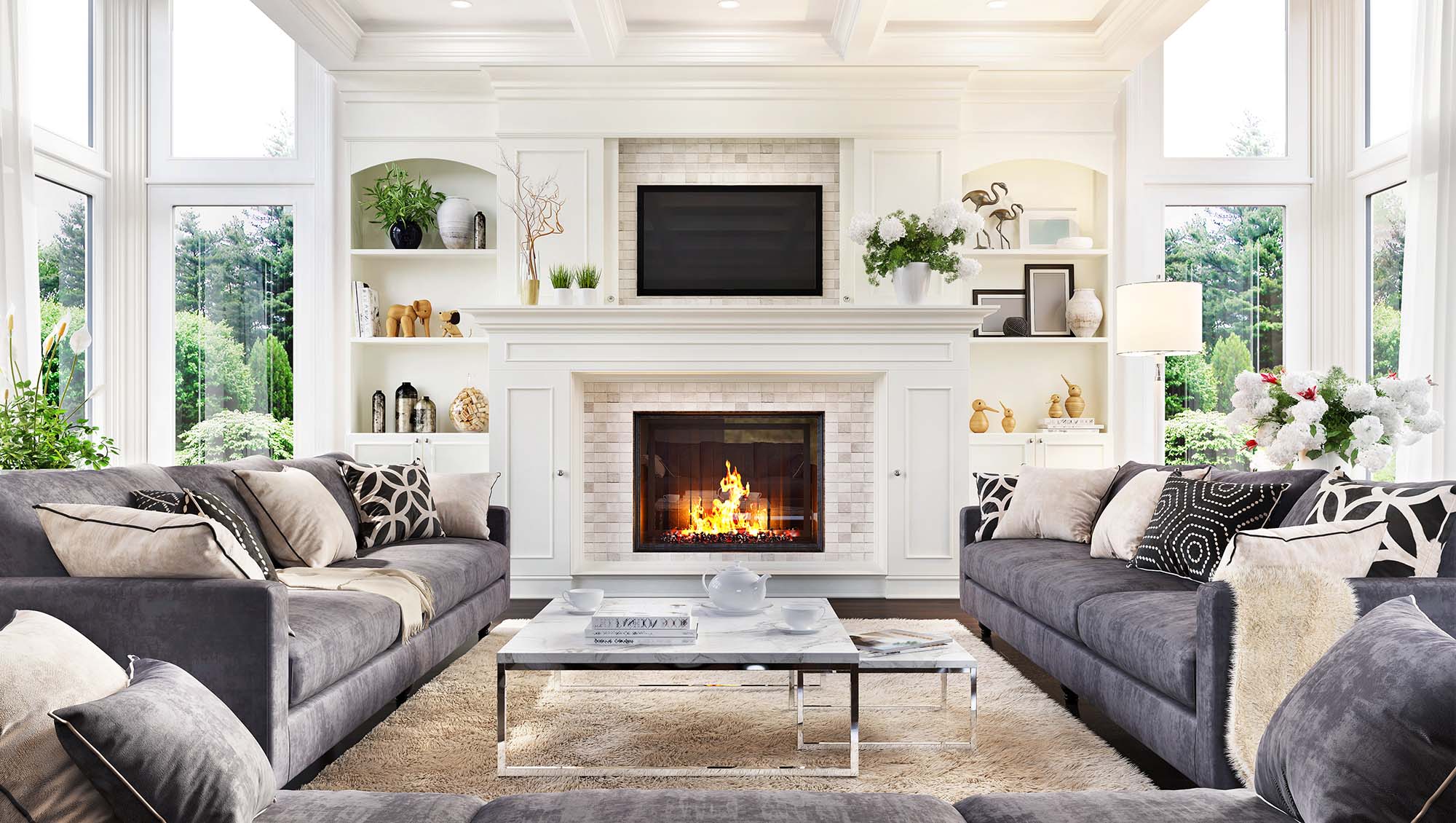
Cool wind off the Strait of Juan de Fuca turns a living room stove or fireplace into the hardest-working feature in your home each winter. Heat-rated hearth tile protects your neighboring floors from stray wood-stove sparks while anchoring your room for months of damp weather.
Across the North Olympic and Kitsap peninsulas, hearths take on different jobs depending on your home and microclimate. A Victorian parlor in Port Townsend calls for period-appropriate charm, while a wooded cabin near Olympic National Park needs rugged surfaces that shrug off damp firewood bark and heavy boots. Selecting the right tile for fireplace surround walls and floor pads gives you lasting heat protection without taking a ferry across Puget Sound to shop.
Heat-Safe Tile Materials for Wood Stoves and Gas Fireplaces
Freestanding wood stoves and high-output gas inserts push intense radiant heat downward onto your floor pad and outward into the wall behind them. Vinyl planks, laminate, and standard wall ceramics cannot tolerate prolonged high heat or heavy cast-iron legs, so your hearth build starts with dense, non-combustible porcelain or natural stone.
Natural Slate and Stacked Stone
Genuine cleft slate is a natural match for coastal Craftsman homes and Olympic foothill cabins because its charcoal, rust, and deep green mineral layers hide wood ash and soot between cleanings. This dense metamorphic stone absorbs heat safely without cracking and brings natural grip underfoot when you carry in wet kindling. For vertical walls behind a stove or gas insert, natural quartzite ledger stone adds deep shadow lines and rugged texture that turn a flat drywall bump-out into a true architectural focal point.
Porcelain Slate-Look and Brick-Look Tile
Kiln-fired porcelain absorbs almost no moisture and handles extreme temperature swings without thermal shock, making it a dependable wood stove hearth tile. Modern porcelain reproduces cleft slate, weathered red brick, and chiseled limestone with realistic surface texture, yet you never have to apply annual stone sealers. In a busy family home in Bremerton or a single-level ranch in Sequim's sunny rain shadow, porcelain gives you masonry character with simple soap-and-water cleanup.
Decorative Ceramic and Porcelain Mosaics
Gas fireplaces generate less downward floor heat than wood-burning stoves, giving you freedom to use glazed ceramic or porcelain mosaics on the vertical surround. Herringbone layouts, picket shapes, and muted sea-glass or slate-blue glazes brighten gray winter afternoons along the Hood Canal. Keep decorative mosaics on the vertical fireplace face rather than under heavy stove legs, where thick, flat-bodied tiles distribute weight evenly without cracking.
Matte vs. Glossy Finishes for Ash and Firelight Glare
Surface sheen affects both how your fireplace looks after dark and how much daily upkeep your hearth demands during peak heating season.
Matte and Honed Finishes: Unpolished stone and matte porcelain diffuse flickering firelight gently so you never get harsh glare bouncing into your eyes while relaxing on the sofa. Textured matte tiles also camouflage fine gray wood ash, dried pine needles, and soot smudges far better than slick surfaces.
Glossy and Handmade Glazes: Shiny ceramic tiles reflect warm flame light and pale winter daylight back into dim living rooms, adding visual depth to gas fireplace surrounds. Save glossy glazes for vertical walls where ash cannot settle, because flat glossy floor pads highlight every speck of dust and scratch easily under metal fire tools.
Coordinating Hearth Tile with Hardwood and Laminate Floors
Your hearth pad sits directly beside your main living room flooring, right in the middle of your primary sightline. Instead of trying to match wood-look tile against real oak or hickory planks, build deliberate visual contrast where the two materials meet.
Pair warm, golden engineered hardwood or wide-plank laminate with cool charcoal slate, smoky gray porcelain, or earthy terracotta brick-look tile. Cool mineral tones balance the warm amber undertones in Douglas fir, white oak, and red cedar trim found throughout peninsula homes. If your living room already features weathered gray-brown laminate or pale ash hardwood, warm up the hearth zone with rust-flecked slate, creamy travertine-look porcelain, or classic tumbled brick.
Surface texture matters equally at the floor boundary. Smooth, satin-finish hardwood planks feel balanced next to a lightly cleft stone or matte brick hearth pad, giving your family a clear underfoot cue where the main living area ends and the hot stove zone begins.
Clean Edge Trim Details and Wood Mantel Pairings
A hearth remodel looks custom and complete when exposed tile edges and neighboring woodwork fit together with clean lines.
Finishing Exposed Tile Edges
Raw porcelain or ceramic edges expose an unfinished clay body along the sides of a raised hearth or vertical surround. Frame your tile perimeter with matching bullnose trim pieces, crisp metal edge profiles in matte black or brushed bronze, or mitered stone corners. On flush, floor-level wood stove pads, install a low-profile transition strip to bridge any slight height gap between thick hearth tile and neighboring hardwood or laminate so nobody trips while tending the fire.
Pairing Tile with Wood Mantels and Painted Trim
Crisp white or warm cream Craftsman casing frames colorful mosaics and dark slate cleanly, helping the firebox stand out against painted drywall. If your living room features a thick live-edge cedar beam or reclaimed Douglas fir mantel, keep your tile pattern steady—such as stacked rectangular slate or traditional running-bond brick—so the organic wood grain and stone texture work together peacefully.
Plan Your Fireplace Hearth Tile Ideas with Strait Floors
Upgrading your fireplace surround or wood stove pad ahead of the coldest winter weeks adds lasting safety, comfort, and value to your home. Strait Floors stocks heat-rated porcelain, natural slate, brick-look tile, and decorative mosaics across our North Olympic and Kitsap peninsula showrooms, saving you ferry fares and long drives off the peninsula to compare real samples in person. Our local specialists help you check wood stove clearance specs, choose clean edge trims, and schedule reliable installation around your household routine—contact us today to start your hearth project or stop by your local showroom in Sequim, Port Angeles, Port Townsend, or Bremerton.


